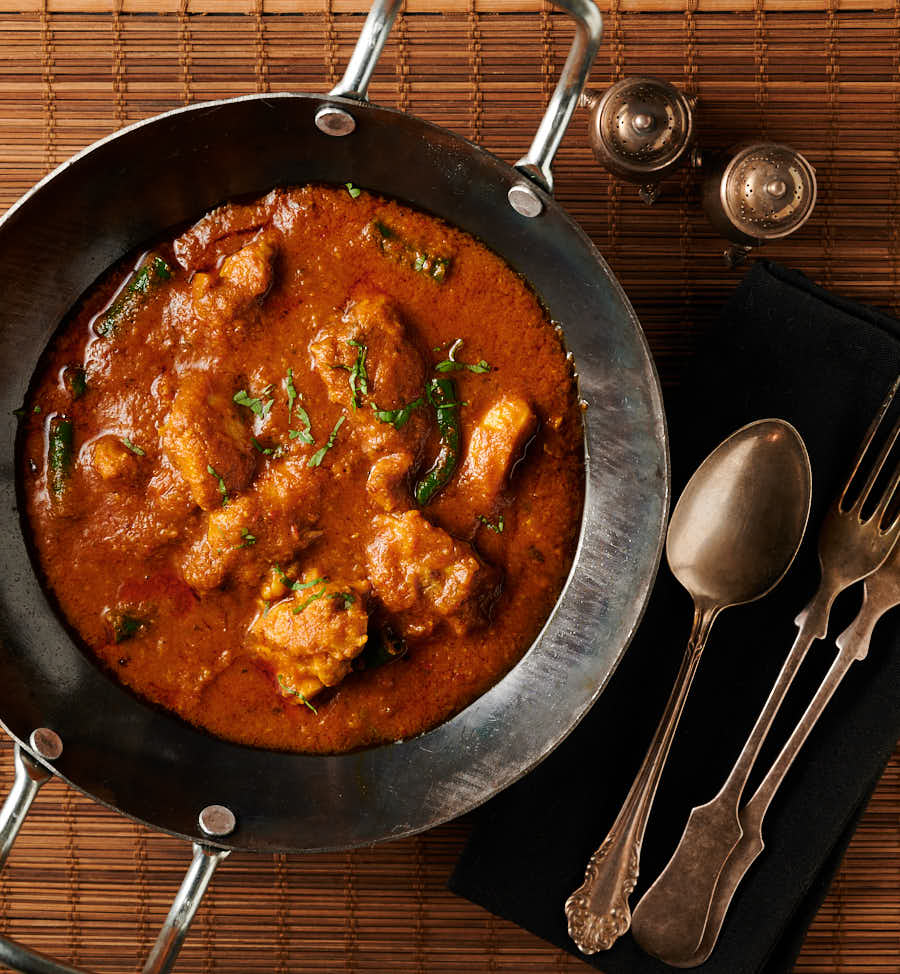
Mastering Authentic Indian Hotel Achari Chicken
The vibrant culinary landscape of India offers a kaleidoscope of flavors, and among its most cherished creations is the illustrious Achari Chicken. This isn't just any chicken curry; it's a dish that embodies the bold, tangy, and aromatic spirit of Indian pickling traditions, elevated to restaurant-quality perfection. When you encounter an authentic
achari chicken curry indian hotel style, you're not just tasting a meal, but an experience – a symphony of spices meticulously balanced to create a truly unforgettable flavor profile. Its distinctive piquant notes, coupled with the succulent tenderness of chicken, make it a standout choice for discerning palates and a staple on menus across the subcontinent's finest eateries. This article delves into the heart of this beloved dish, guiding you through its origins, essential ingredients, and the techniques required to master its authentic taste.
The Allure of Achari Chicken Curry: More Than Just a Meal
What makes
achari chicken curry so captivating? It’s the ingenious fusion of a robust tomato-onion gravy with the pungent, sour, and subtly bitter notes characteristic of Indian pickles (achar). The word "achari" itself translates to "pickled," and it’s this unique spice blend, traditionally used in various Indian pickles, that gives the dish its signature zest and depth. Imagine the tantalizing aroma of fenugreek, fennel, nigella, mustard, and cumin seeds mingling with ginger, garlic, and fresh green chilies – this is the foundation of achari magic.
This particular style, often found in upscale Indian hotels and restaurants, is renowned for its rich texture and complex, layered flavors. It strikes a beautiful balance between heat, tanginess, and the savory umami of perfectly cooked chicken. Unlike simpler curries, an authentic
achari chicken curry indian hotel style relies on a carefully calibrated blend of whole and ground spices, often tempered at the beginning of the cooking process to release their full aromatic potential. It’s a dish that commands attention, making every bite a journey through the diverse spice traditions of North India.
Unlocking the Signature Flavors: Essential Achari Spices
The secret to a truly authentic
achari chicken curry lies squarely in its spice blend. These aren't just any spices; they are the heart and soul of the achari profile, delivering that distinctive piquancy and aroma. Mastering these ingredients is the first step towards recreating the magic of an Indian hotel kitchen.
The core achari spices, often used whole, include:
- Fenugreek Seeds (Methi Dana): Imparts a slightly bitter, earthy aroma. Use sparingly as too much can make the dish bitter.
- Fennel Seeds (Saunf): Adds a delightful anise-like sweetness and aroma.
- Nigella Seeds (Kalonji): Provides a unique onion-like, slightly bitter, and smoky flavor.
- Mustard Seeds (Rai): Contributes pungency and a sharp, earthy kick. Black mustard seeds are often preferred for their stronger flavor.
- Cumin Seeds (Jeera): Offers warm, earthy, and slightly pungent notes, a staple in Indian cooking.
Beyond these primary five, other aromatics play crucial supporting roles. Fresh ginger and garlic paste form the aromatic backbone, while onions provide sweetness and body to the gravy. Tomatoes contribute essential acidity and richness, creating the perfect canvas for the achari spices to shine. A touch of dried mango powder (amchur) or even a spoonful of actual Indian mixed pickle can further amplify the authentic tang. For a deeper dive into how these spices orchestrate such a remarkable taste, explore the
Achari Chicken Curry: Hotel Style Flavor Secrets, which reveals the nuanced interplay of each ingredient.
Mastering the Cooking Process: Achieving Hotel-Style Perfection
Recreating an
achari chicken curry indian hotel style at home involves not just the right ingredients, but also meticulous attention to the cooking process. It’s a series of steps, each building upon the last to create a harmonious and deeply flavorful dish.
1.
Marination: Begin by marinating boneless chicken pieces (or bone-in for deeper flavor) in a mixture of yogurt, ginger-garlic paste, turmeric, and red chili powder. This not only tenderizes the chicken but also infuses it with initial layers of flavor. Marinate for at least 30 minutes, or preferably for 2-4 hours in the refrigerator.
2.
Tempering the Achari Spices: This is arguably the most critical step. Heat oil or ghee in a heavy-bottomed pan. Once hot, add the whole achari spices (fenugreek, fennel, nigella, mustard, cumin seeds). Sauté them briefly over low heat until they splutter and become fragrant. Be careful not to burn them, as this will result in a bitter taste.
3.
Building the Gravy: Add finely chopped onions and sauté until they turn golden brown. Then, introduce the remaining ginger-garlic paste and green chilies, cooking until the raw aroma disappears. Next, add tomato puree or finely chopped tomatoes, cooking until the oil separates from the masala, indicating it’s well-cooked. Incorporate powdered spices like coriander, red chili, and turmeric at this stage.
4.
Adding the Chicken: Introduce the marinated chicken to the rich masala. Sauté on medium-high heat until the chicken changes color and is lightly seared.
5.
Simmering to Perfection: Add a little water (or chicken stock) and bring the curry to a gentle simmer. Cover the pan and cook on low heat until the chicken is tender and cooked through, and the gravy has thickened to your desired consistency. This slow cooking allows the flavors to meld beautifully.
6.
Finishing Touches: Adjust seasoning, add a splash of lemon juice or a pinch of amchur for extra tang, and a final sprinkle of garam masala. A crucial hotel-style trick can be to add a teaspoon of the oil from a store-bought mixed pickle for an extra authentic kick, or a few slices of green chilies slit down the middle.
For a comprehensive guide on making this dish in your own kitchen, check out how to
Recreate Indian Hotel Achari Chicken At Home.
Tips for Elevating Your Achari Chicken Curry Indian Hotel Style
Achieving that coveted hotel-quality taste isn't just about following a recipe; it's about paying attention to details and understanding the nuances of flavor development.
*
Freshness of Ingredients: Always use the freshest possible chicken and spices. Stale spices lose their potency and aroma, directly impacting the final taste.
*
Roasting Whole Spices: Lightly dry-roasting the whole achari spices before tempering can intensify their aroma and flavor. Just be careful not to burn them.
*
Patience in Cooking the Masala: The key to a rich, flavorful gravy is to cook the onion-ginger-garlic-tomato masala thoroughly until the oil separates. This process, often referred to as "bhunao," deepens the flavors significantly.
*
Balance is Key: Indian cuisine is all about balance. Taste your curry as you go and adjust the salt, spice, and tang. A pinch of sugar or jaggery can sometimes balance out excessive tang or bitterness.
*
Use of Fat: Don't be shy with oil or ghee. A good amount of fat is essential for tempering spices, cooking the masala, and carrying the flavors in the curry.
*
Garnish Generously: Fresh coriander leaves, julienned ginger, and slit green chilies not only add visual appeal but also contribute fresh aromatics to the finished dish.
*
Resting Period: Like many curries, achari chicken curry often tastes even better the next day, as the flavors continue to meld and deepen.
Conclusion
Mastering an authentic
achari chicken curry indian hotel style is a rewarding culinary journey. It's a dish that celebrates the vibrant heritage of Indian pickling spices, transforming simple chicken into an exquisite gourmet experience. From understanding the nuanced roles of fenugreek and fennel seeds to executing the perfect tempering and slow simmer, each step contributes to its unparalleled depth of flavor. Whether you're a seasoned chef or an adventurous home cook, delving into the world of achari chicken promises a delightful exploration of taste, culminating in a dish that will impress and satisfy. So, gather your spices, embrace the process, and prepare to savor the rich, tangy, and utterly addictive flavors of this Indian culinary masterpiece.